
DNA double helix surrounded by molecular structures

An investigational oral ALPK1 inhibitor being developed by Triovance for ROSAH syndrome, a rare genetic disease.

← Back to Our Science

PTT-621 for ROSAH Syndrome

Diagram: ROSAH syndrome mechanism — an ALPK1 gene variant causes overactive ALPK1–TIFA–NF-κB signaling, increased innate immune activation and inflammatory signaling, chronic ocular and systemic inflammation, and clinical manifestations including retinal degeneration, optic nerve edema, splenomegaly, anhidrosis, headaches, and joint symptoms

The Challenge

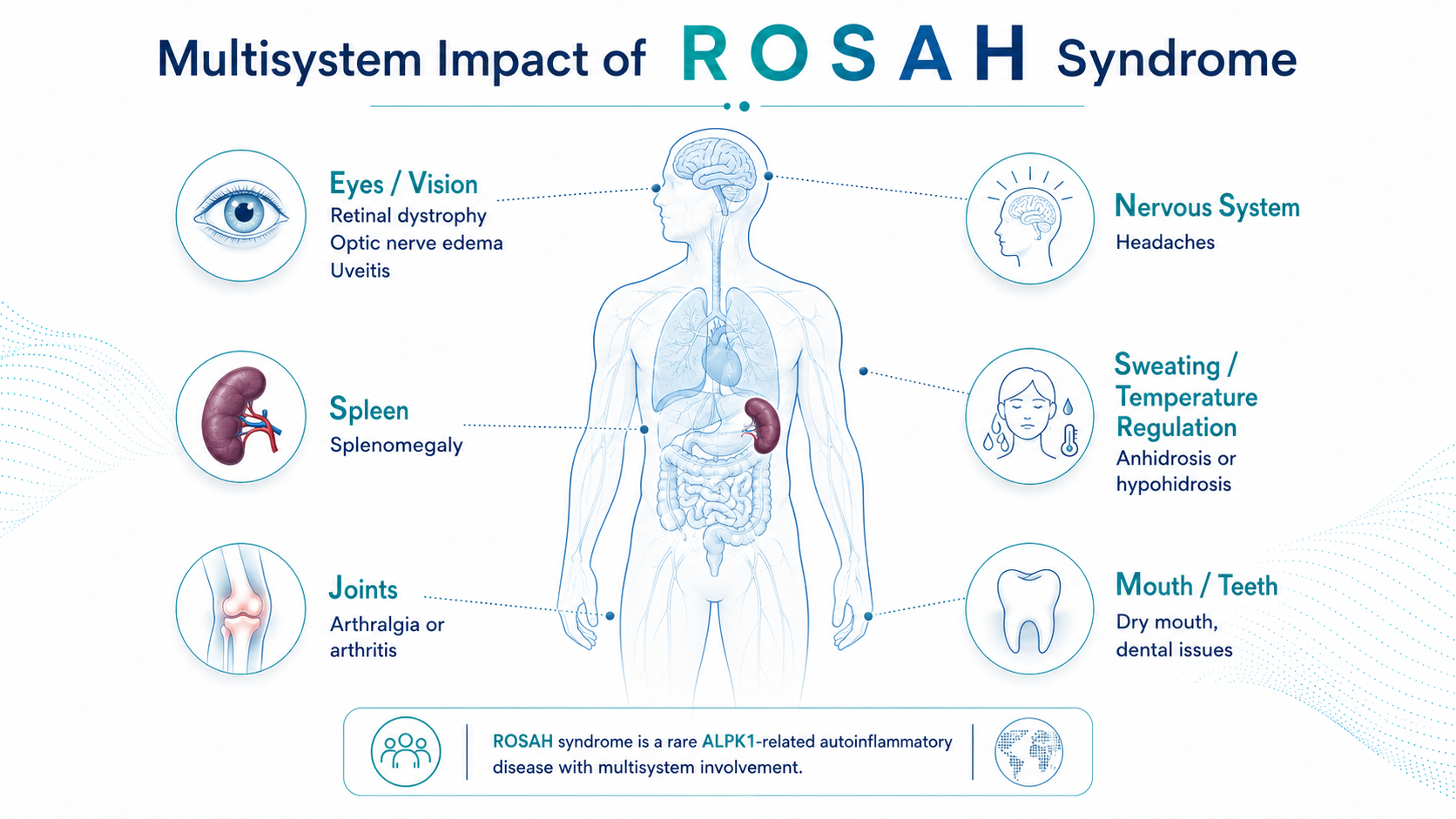
ROSAH syndrome is a rare, dominantly inherited genetic disorder with serious multisystem effects,  including progressive retinal dystrophy, optic nerve edema, splenomegaly, anhidrosis, and headache. Treatment options are extremely limited, and significant unmet need remains.

Our Solution

PTT-621 is a targeted, oral small molecule ALPK1 inhibitor intended to address the underlying biology of ROSAH syndrome and potentially modify disease course.

Our Science

Infographic: multisystem impact of ROSAH syndrome — eyes and vision (retinal dystrophy, optic nerve edema, uveitis), nervous system (headaches), spleen (splenomegaly), sweating and temperature regulation (anhidrosis or hypohidrosis), joints (arthralgia or arthritis), and mouth and teeth (dry mouth, dental issues)

Development Strategy

Triovance is developing PTT-621 and plans to seek external collaborations with specialized expertise in ROSAH syndrome to help accelerate development and support patient access.

Explore our collection of 200+ Premium Webflow Templates